


China Hardware Exports: Market Shifts & Practical Sourcing Insights
For most hardware buyers, the useful question is not whether Chinese factories are exporting. It is which product categories, regions, and price positions will be reliable enough to build a 2026 sourcing plan around.
The picture is split. Chinese hardware manufacturing still offers one of the broadest category ranges in a single sourcing trip, from hand tools and power tools to fasteners, building hardware, garden tools, and personal protective equipment. But demand is no longer moving as one block [1]. Some consumer-facing Western categories are being rebalanced and ordered later, while professional, certified, and emerging-market categories are holding up better.
That is the core message for the year ahead: the opportunity is not in assuming the old model continues. It is in matching the right product tier, certification level, and market channel.
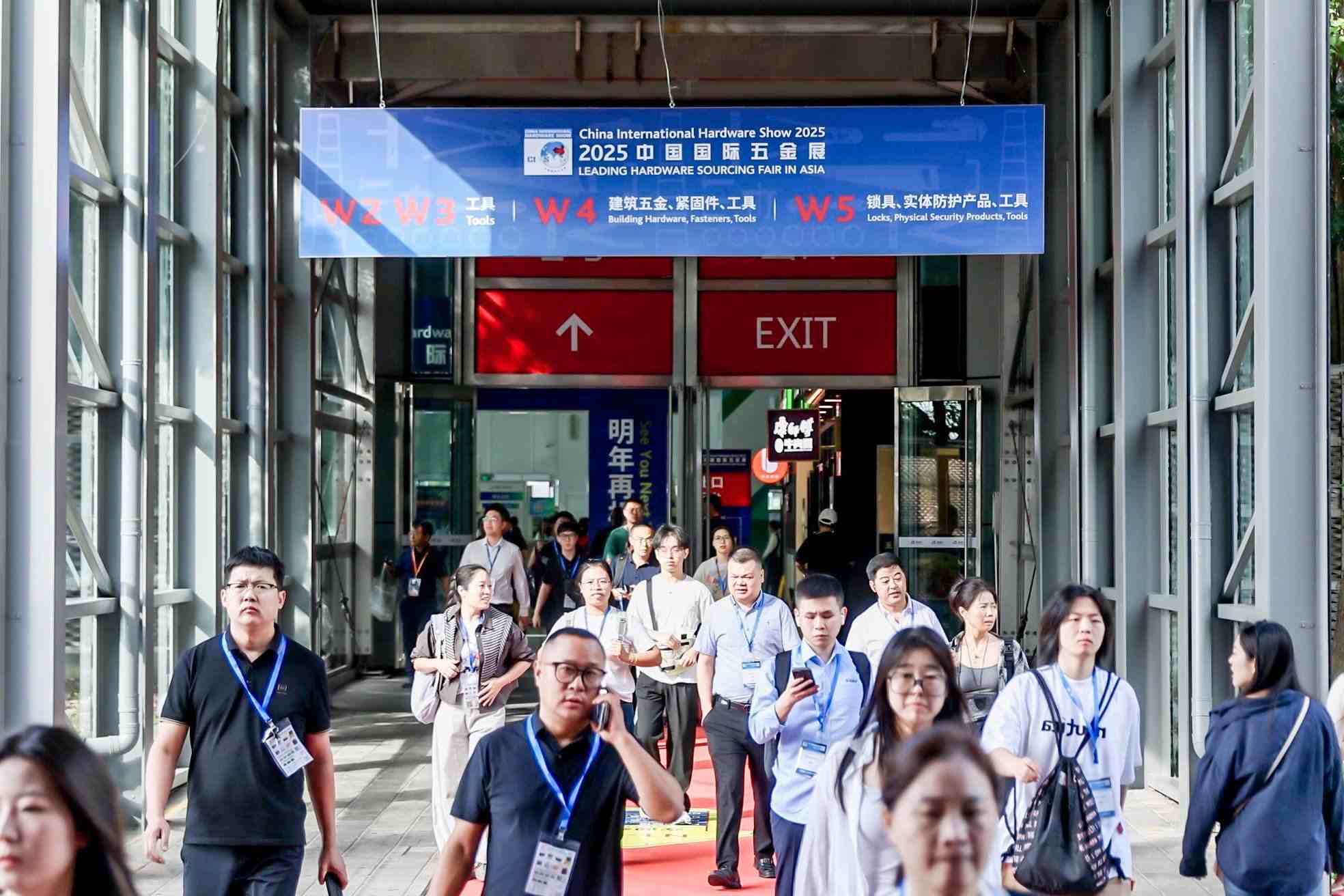
What the 2026 Export Picture Looks Like
China remains one of the world’s largest hardware manufacturing bases, with production clustered around product-specific regions such as Yongkang, Danyang, Qidong, Ningbo, and the Pearl River Delta. The advantage today is less about cheap labor alone and more about component density, fast tooling changes, and the ability to combine multiple product lines into one container.
The recent customs picture is not a single number. General Administration of Customs data shows export value holding up better in professional tools, high-grade fasteners, and safety equipment than in undifferentiated commodity lines, where buyers are squeezing prices and shifting order timing [1].
Our own buyer data points in the same direction. The last China International Hardware Show brought together 2,977 exhibitors and 77,016 professional buyers from 123 countries and regions across 120,000 square meters. The next edition will again exceed 3,000 exhibitors. That breadth is useful because it shows where factories are investing: more booth space, more product categories, and more emphasis on certification and packaging rather than price alone.
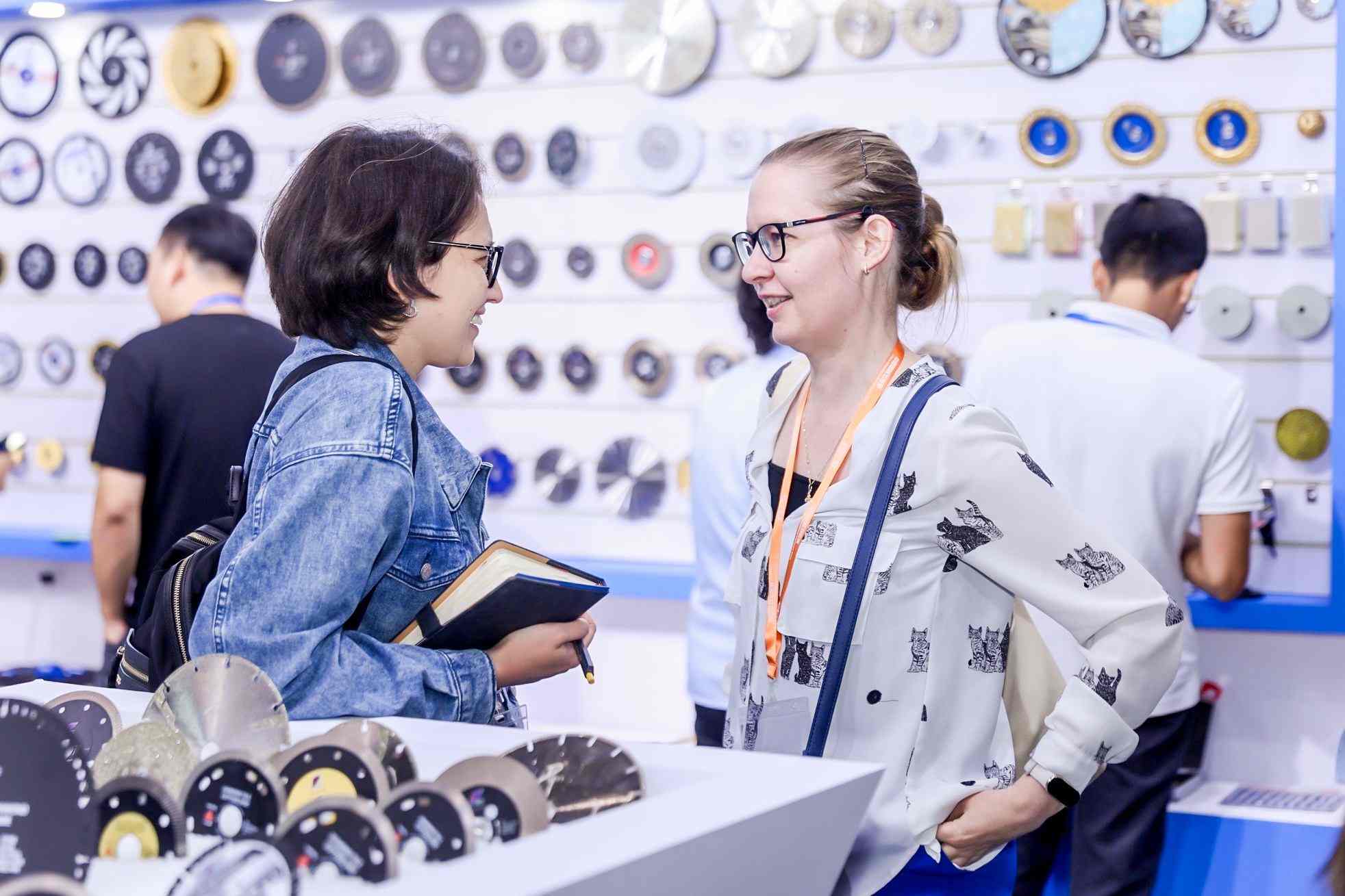
Where Demand Is Shifting
The market is not weak everywhere. It is moving between regions and product classes.
| Market | Demand Signal | Categories to Test First |
|---|---|---|
| North America and Europe | Restocking is cautious; professional-grade and certified lines outperform | Cordless power tools, smart locks, high-grade fasteners, PPE |
| Middle East and Africa | Infrastructure and project-driven demand | Welding equipment, building hardware, fasteners, hand tools |
| Southeast Asia and Latin America | Price-sensitive but expanding mid-tier demand | Hand tools, garden tools, pneumatic tools, builders’ hardware |
| Premium Asia and Gulf markets | Security, performance, and upgrade features | Smart locks, brushless tools, diamond and CBN abrasives |
Industry association analysis points to the same structural shift: growth is coming from higher-specification products and emerging-market infrastructure rather than undifferentiated commodity volume [2].
For buyers, the practical translation is simple. If your assortment is still built entirely around entry-level tools, you are competing on price alone. If you add a professional or certified tier, you are participating in the part of the market with firmer demand.
Frictions That Will Shape 2026 Sourcing
The largest frictions are not about factory capacity. They are about compliance, logistics, and payment risk.
European and North American requirements are becoming more granular. Buyers need to check REACH (Registration, Evaluation, Authorisation and Restriction of Chemicals), RoHS (Restriction of Hazardous Substances), CE or UKCA marking, GS certification where relevant, UL or ETL for US electric tools, and the new EU battery rules for lithium-ion products [3]. A factory that can show current test reports before the order is worth more than one that promises to provide them after deposit.
Trade policy volatility is also affecting selected hardware lines. Anti-dumping findings and origin documentation requirements, particularly in some fastener categories, mean buyers should confirm duty exposure and the correct tariff classification before committing to a container [4].
Logistics remain a budgeting issue rather than a panic point. Battery-powered tools often ship as dangerous goods, which changes carrier options, labeling, and consolidation rules. Buyers should not assume that a cordless drill and a handsaw move under the same freight terms.
Currency and payment terms are another quiet risk. Where lead times extend, the gap between deposit and final payment can move the real cost. Using Free on Board (FOB) or Cost, Insurance and Freight (CIF) terms only helps if the payment schedule, inspection rights, and currency adjustment are written into the contract.
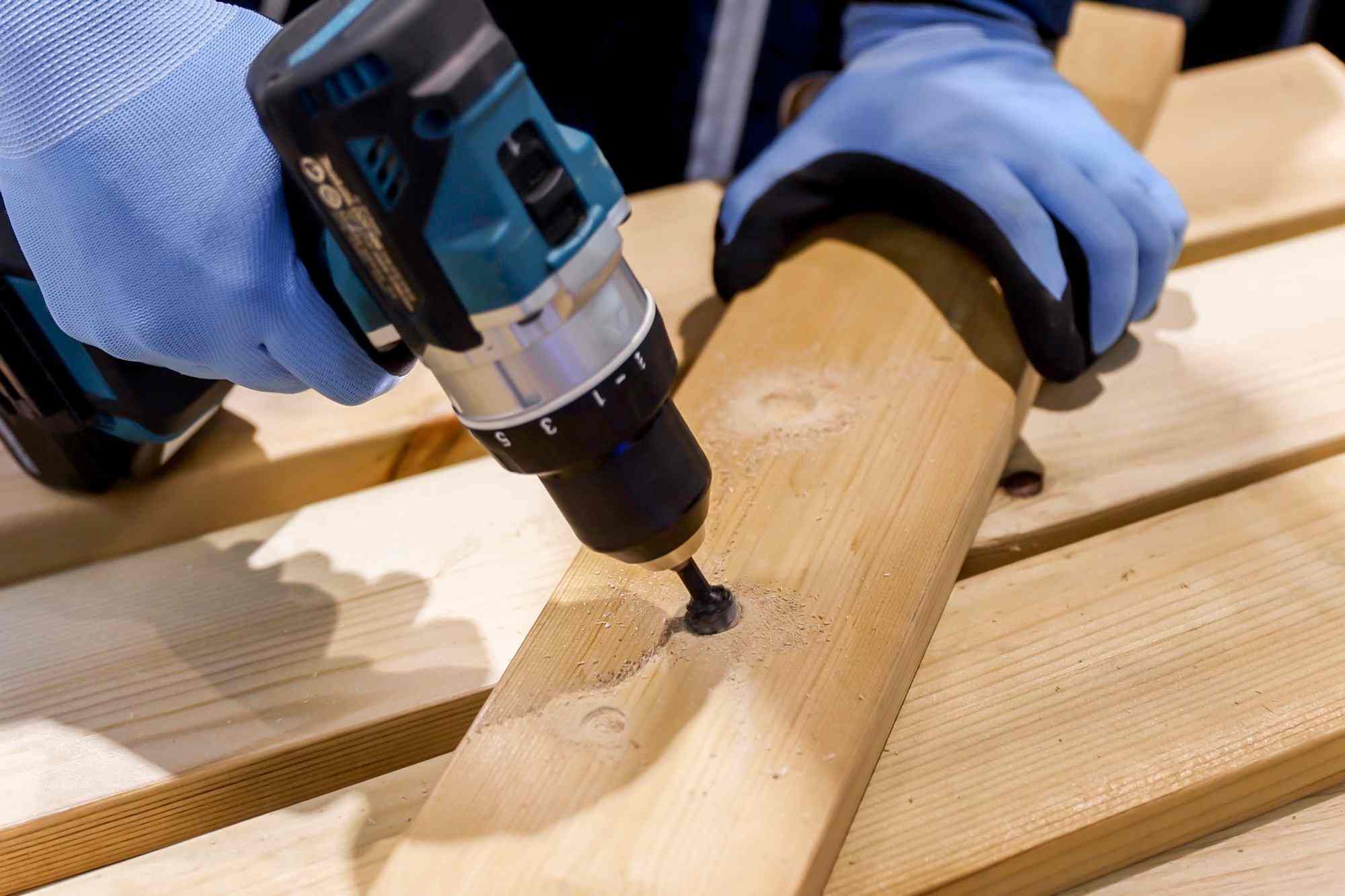
If you are building a 2026 supplier shortlist, start with the categories where compliance risk is highest. The CIHS Buyer Services Team can review exhibitor categories and certification priorities ahead of the fair. For direct help, contact trista.ming@koelnmesse.cn or call +86 21 6390 6161-832.
How to Build a Buyer Plan for 2026
The buyers who get the best outcome do not arrive in Shanghai with an empty notebook. They arrive with a shortlist, a set of specification sheets, and a tiering system.
First, use the online showroom before you travel. Screen for factory type, product range, certifications, and whether the exhibitor is a manufacturer or a trading company. That filter saves hours on site.
Second, organize suppliers into two groups: incumbent partners and backup manufacturers. The point is not to replace good suppliers. It is to avoid single-source exposure when demand shifts or a production line fills up.
Third, compare on total landed cost, not unit price. Add freight, duty, testing, payment terms, rework risk, and the cost of a supplier audit. A low-unit-price offer can become expensive if it fails inspection or arrives under-packaged.
Fourth, prioritize face-to-face qualification for high-risk categories. Power tools, safety equipment, smart locks, and fasteners used in structural or automotive applications deserve a documentation review before you leave the fair.
Fifth, negotiate minimum order quantity (MOQ) as a tiered conversation. Ask for a pilot order, a repeat order schedule, and the point at which unit pricing improves. Long-term contracts can still work if they include a clear price adjustment mechanism for raw material and freight movement.

The 2026 Play Is Discipline, Not Delay
The most expensive mistake in this market is waiting for total clarity. Factory slots fill for certified products, compliance documents take longer than buyers expect, and logistics pricing rewards early booking.
Plan the trip. China International Hardware Show 2026 brings sourcing, product comparison, and supplier verification into one working week. Register early, use the buyer programme if you qualify, and book onsite matchmaking before the halls open. For programme or planning questions, contact the CIHS Buyer Services Team at trista.ming@koelnmesse.cn or +86 21 6390 6161-832.
FAQ
How stable are China hardware exports in 2026?
Broadly stable, but uneven. Professional-grade tools, certified safety products, smart locks, and high-grade fasteners are holding up better than undifferentiated commodity lines. Buyers should not expect uniform pricing or uniform lead times.
Which categories should buyers prioritize?
The strongest areas are cordless power tools with established battery platforms, high-grade fasteners, smart locks with regional connectivity standards, certified PPE, garden and outdoor tools, and high-performance abrasives such as diamond and CBN products.
Are prices expected to rise or fall?
The answer is mixed. Standard items remain competitive, but compliance, packaging, battery logistics, and raw material movement can push real costs up. The safest approach is to negotiate on total landed cost and include a transparent price adjustment mechanism.
Should I start sourcing now or wait?
Start now. The buyers who begin in the fourth quarter are usually choosing from whatever slots remain. Starting earlier lets you screen suppliers, request samples, verify certificates, and book factory visits without compressed timelines.
How do I prepare for a CIHS 2026 sourcing trip?
Build a product-level shortlist, bring specification sheets, verify certifications early, and decide which categories require a supplier audit. Use the online showroom before the fair so your time on site goes to final qualification rather than first discovery.
References
[1] General Administration of Customs of the People’s Republic of China. Monthly Import and Export Statistics. Accessed 2026.
[2] China National Hardware Association. China Hardware Industry Development Report. 2025.
[3] European Commission. REACH, RoHS, CE, and EU Battery Legislation. Official EU regulatory framework.
[4] World Trade Organization. World Trade Statistical Review and Tariff Monitoring Reports. Accessed 2026.
Contact us
-

Ms. Trista Ming
Tel.: +86 21 6390 6161 ext. 832
Trista.ming@koelnmesse.cnMr. Edward Gao
Tel: +86 10 6590 7766-765
Fax: +86 10 6590 6139
Edward.Gao@koelnmesse.cn