


Hand Tool Supply Chain Trends: Cost, Sourcing and Efficiency
Hand tool buyers are no longer choosing a supplier on unit price alone. The hand tool supply chain trends that matter now are cost visibility, sourcing flexibility, and production efficiency. We see this in the way professional buyers evaluate hand tool factories: they ask about material traceability, production yield, and logistics trade-offs before they ask for a discount.
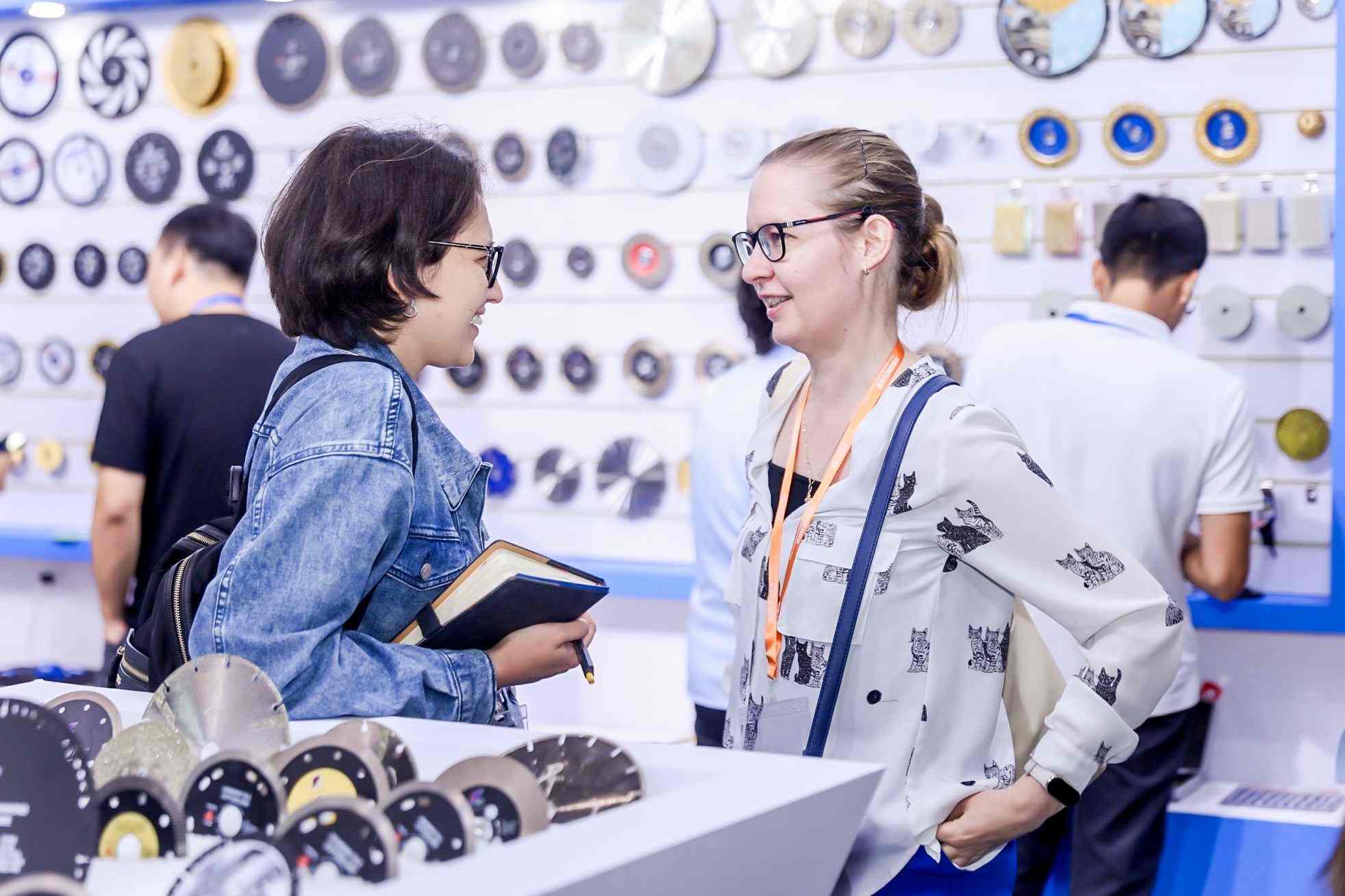
The most recent China International Hardware Show drew 23,731 professional buyers from 118 countries and regions. The next edition will span 120,000 square meters with more than 3,000 exhibitors. That scale is useful only if you know which trends to act on.
What Is Changing in Hand Tool Supply Chains
Hand tool supply chains are becoming more segmented. A socket set may now involve steel from one region, plating from another, and packaging from a third. That makes the final price more sensitive to exchange rates, energy costs, and regulatory changes than it was five years ago.
At the same time, professional and DIY buyers are ordering differently. Retailers want smaller trial orders and faster replenishment. Industrial buyers want consistent tolerances, batch records, and longer-term capacity. Both groups benefit from a supplier that can explain how each step in the chain affects the final product.

Where Hand Tool Costs Are Under Pressure
Cost pressure comes from several places, but not all of them move together. Use the table below as a living checklist. When a supplier cannot answer a row quickly, that gap usually shows up later as a price increase or a quality claim.
| Cost driver | What it changes for you | What to ask the supplier |
|---|---|---|
| Steel and alloy inputs | Unit cost and hardness consistency | Which grade and mill certificate are used for each batch? |
| Labor and automation | Steps such as forging, grinding, and assembly | Which stations are automated, and how are manual finishing workers trained? |
| Coatings and plating | Corrosion resistance and compliance | What plating standard or test applies to the finished part? |
| Energy and packaging | Factory overhead and landed cost | Can the factory break out packaging weight and energy-intensive steps? |
| Freight and lead time | Cash flow and stock cover | What shipping term, consolidation point, and buffer are proposed? |
| Testing and certification | Market access and rework risk | Which certificates apply, and can they be verified before shipment? |

How Buyers Are Rethinking Hand Tool Sourcing
More buyers are running a dual-sourcing strategy. They keep a primary Chinese hand tool supplier for cost and technical depth, then add a secondary source in another market for shorter regional lead times or tariff advantages. The split is not always 50/50. The right mix depends on your destination market and order profile.
We see this most clearly for standardized tools like wrenches, pliers, and screwdrivers. Buyers consolidate volume with one supplier for lower tooling and material costs, then use a second source for seasonal surge capacity or regional compliance.
The risk is when dual sourcing becomes double negotiation. Without a shared specification, two suppliers will quote against different steel grades, tolerances, and packaging. Write one specification and send it to both, so the offers are actually comparable.
What Production Efficiency Looks Like in a Hand Tool Factory
Production efficiency is not just producing faster. It is the factory’s ability to hold tolerances, reduce scrap, and turn orders without losing traceability.
When we walk a hand tool line, we look for five signals before discussing price:
Material yield. Ask how much raw steel becomes finished product and where scrap is generated.
Changeover time. Long changeovers make small orders expensive and hard to schedule.
Inline quality checks. Tools should be checked during production, not only at final inspection.
Batch tracking. Heat numbers and plating lots should be traceable to each shipment.
Maintenance records. Press and grinding equipment need regular calibration to hold tolerances.
How to Compare Hand Tool Suppliers Without Chasing the Lowest Price
Price is a result, not a starting point. Compare suppliers on total landed cost and order risk.
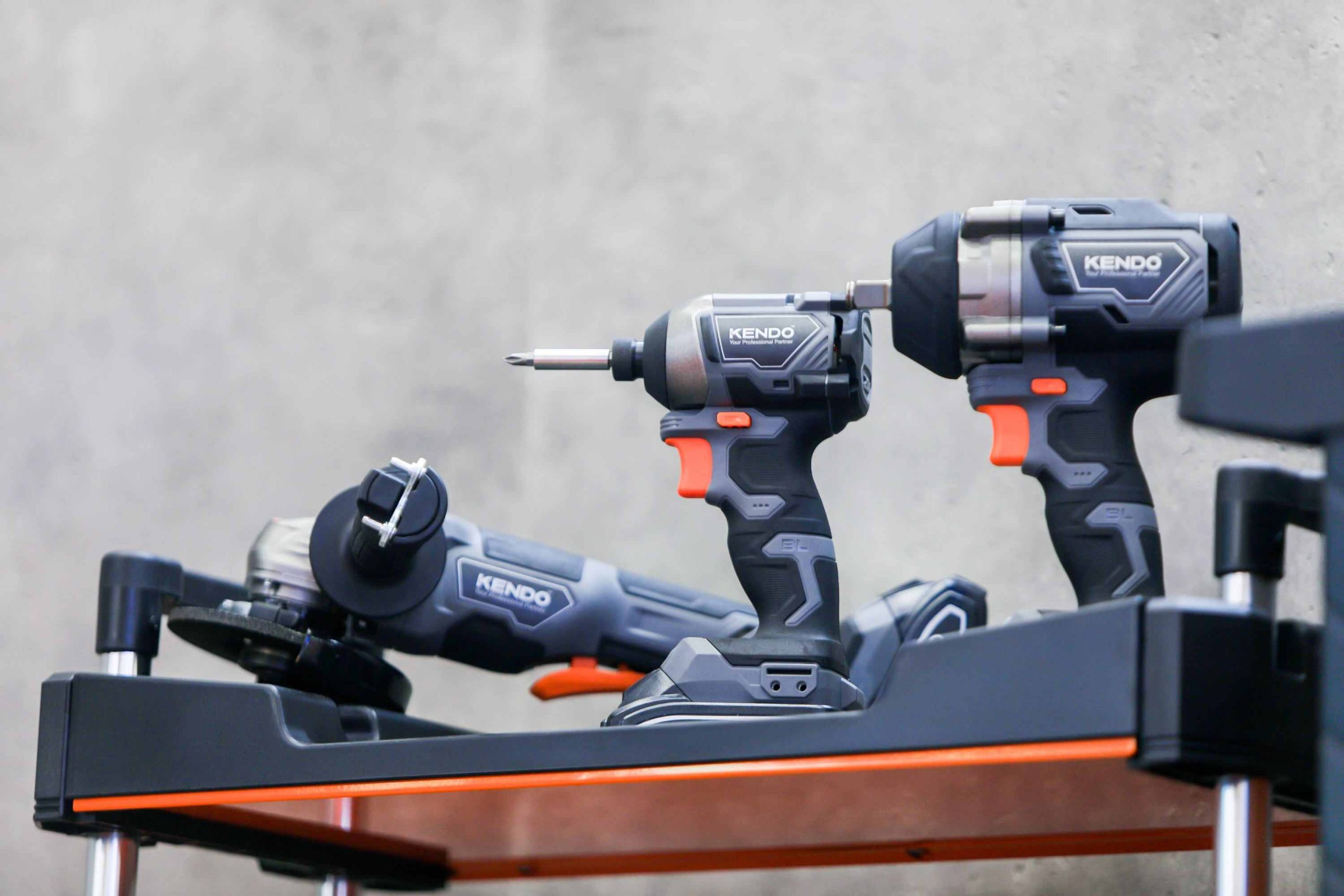
Two suppliers can call a wrench chrome vanadium steel while using different alloy content and hardness. Ask for the material grade, heat treatment, and hardness range. For plating, ask for salt spray hours or the specific coating standard. For tolerances, ask which dimension is controlled and how frequently it is checked. For packing, remember that rust prevention costs less than product replacement. For lead time, a longer but reliable schedule may be cheaper than a short lead time that slips and interrupts your stock plan.

Plan Your Hand Tool Sourcing at CIHS
At the next China International Hardware Show, you can put these cost and efficiency questions face-to-face with suppliers from China’s key hand tool manufacturing clusters. Send us your product list, target volume, destination market, and certification requirements before you arrive.
Contact trista.ming@koelnmesse.cn or call +86 21 6390 6161-832. We will help you shortlist factories worth a deeper audit.
FAQ
Are hand tool prices expected to keep rising?
Costs will be uneven by category. Steel, energy, and freight do not move together. Instead of asking for a general forecast, ask your supplier to explain the three largest cost components in your exact tool and what would change them. That gives you a better negotiation anchor than a market headline.
Should we move all hand tool sourcing out of China?
Not automatically. China remains one of the most complete hand tool supply chains, especially where forging, grinding, plating, and assembly are close together. Some buyers move a portion of high-volume, low-complexity production to another market while keeping precision sets in China. The decision should follow your product family, not a blanket risk statement.
How do we verify a factory’s production efficiency before ordering?
Request a live production-line review or walkthrough, not only a sample room. Ask about material yield, changeover time, inline testing, and batch traceability. Compare the answers against the quoted lead time and tolerance sheet. If a supplier cannot explain where scrap is generated, treat that as an open quality question.
What should we ask about lead times?
Ask for production time, quality-control window, and freight plan separately. A supplier quoting 30 days total may be hiding 10 days of material waiting if there is no clear production schedule. Confirm whether the lead time covers first article approval or only mass production.
Contact us
-

Ms. Trista Ming
Tel.: +86 21 6390 6161 ext. 832
Trista.ming@koelnmesse.cnMr. Edward Gao
Tel: +86 10 6590 7766-765
Fax: +86 10 6590 6139
Edward.Gao@koelnmesse.cn