


Brushless Motor Technology: Power Tool Sourcing Trends
Brushless motor technology has changed what a professional power tool should deliver. It removes carbon brush wear and mechanical commutation losses, so the motor runs cooler, responds faster, and converts more battery energy into useful work. For buyers, the practical question is no longer whether to consider brushless tools, but how to verify that a supplier’s motor and controller work as a matched system. At CIHS, we see this shift show up in sourcing conversations, where labels such as brushless and smart are common but proof of performance is inconsistent. This guide covers the trends that matter when you compare power tool manufacturers.
Why Brushless Motors Now Define Power Tool Sourcing
Brushless motors use an electronic controller to switch current through the stator windings in sequence. The rotor follows the rotating magnetic field without carbon brushes or a mechanical commutator. That removes two traditional wear points and reduces electrical resistance in the power path. The benefit matters most in professional tools because they run longer, run hotter, and are judged on cycle time. However, the motor alone does not guarantee that benefit. The controller must read the rotor position correctly, protect against overload, and communicate with the battery management system. When buyers compare tools, they should treat motor and controller as one subsystem, not as separate features.
Efficiency and Duty Cycle Where the Real Difference Shows
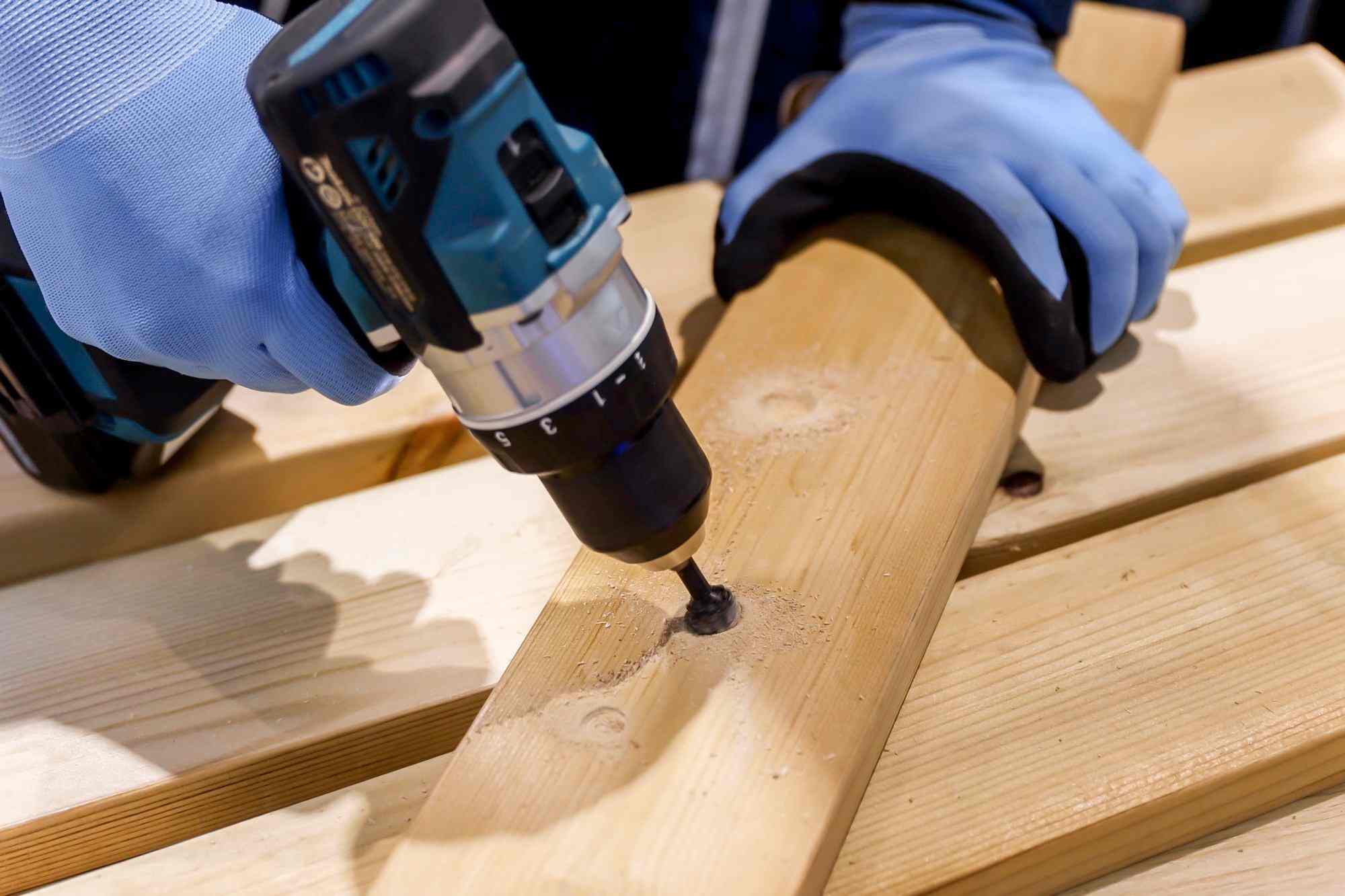
Efficiency differences are easiest to see under sustained load. A brushed motor continues to press brushes against the commutator, creating heat and friction. A brushless motor reduces that loss, so more battery capacity becomes usable output and the tool can maintain speed for longer before thermal protection engages. This does not make brushless tools superior in every task. A light user who drills a few holes a week may never recover the price premium, and a poorly designed brushless controller can underperform a well-made brushed tool. The table below separates the factors that affect sourcing decisions.
| Factor | Brushed motor | Brushless motor | What to verify |
|---|---|---|---|
| Commutation | Mechanical brushes and commutator | Electronic controller with rotor sensing | Controller and motor should be approved as a matched set |
| Main wear point | Brushes degrade and need replacement | Bearings and electronics become the service items | Ask about bearing grade and controller protection |
| Heat and efficiency | More friction and heat loss | Lower friction, more energy to the output | Request an efficiency curve at your working voltage |
| Duty cycle fit | Often adequate for intermittent use | Better for sustained professional load | Confirm duty-cycle test conditions, not just a label |
| Maintenance model | Brush replacement may be routine | Board repair may be more complex | Clarify warranty and spare controller availability |
| Upfront cost | Usually lower | Usually higher | Compare total cost over the expected service life |

Battery Platform Compatibility Traps
Most cordless brushless tools are part of a battery platform, and the platform is where sourcing risk concentrates. A motor can be well built, but if the battery communication is weak, the tool may cut out early or refuse to start under a load. Buyers should ask whether the tool, battery, and charger have been tested as a system under high-current draw, not only at room temperature. Cell quality matters as much as cell brand. Two packs with the same voltage and capacity may behave differently when protection thresholds and discharge curves differ. Also check whether the platform locks you into one supplier for batteries and chargers, because that can erase the savings from a lower tool price.
Quality Signals to Check in Motor Manufacturing
Factory audits reveal more than specification sheets. For brushless motors, look at stator winding consistency, magnet placement, rotor balance, and the PCBA protection level. A controller that sits directly in the airflow path without conformal coating will fail earlier in dusty or high-moisture environments. Thermal management is another signal. A tool with a single thermal cutoff may be less forgiving than one that gradually reduces power before shutdown. We ask suppliers how they test under stall conditions, because a stall is a normal event in professional use. The answer shows whether the design protects the tool or only protects the motor from immediate burnout.

Certification and Market Access for Brushless Tools
Motor type does not replace market access requirements. A brushless tool still needs the electrical safety, electromagnetic compatibility, and battery transport documentation required by the destination market. Buyers should verify the certificates apply to the complete product as sold, not only to the motor. For lithium-ion battery packs, transport classification and testing evidence should match the final pack configuration. If the supplier changes cells or battery supplier after certification, ask whether the certificate remains valid. These checks are especially important for private-label and OEM projects, where the buyer may own the final compliance responsibility.
How to Compare Brushless Tool Suppliers at CIHS
CIHS concentrates the power tool supply base in one place, with 2,977 exhibitors across 120,000 square meters and a professional buyer audience from 123 countries and regions. That scale works best with a shortlist. Before the fair, separate suppliers by battery voltage, motor size, target market, and application. At the booth, run the tool if possible, load it hard, and note how quickly heat builds. Ask for a sample, test data, certification copies, and spare controller lead time. A supplier that can answer those questions during a busy show day is usually better prepared to support you after the order.

Plan Your Brushless Tool Shortlist Before the Show
A practical next step is to prepare a one-page shortlist with your motor type, battery voltage, application duty cycle, target certification, and estimated annual volume. Send it to the CIHS Buyer Services Team, and we will help you identify relevant brushless tool exhibitors before you travel. Tel: +86 21 6390 6161-832, trista.ming@koelnmesse.cn
FAQ
Do brushless tools always outperform brushed tools?
Not always. For intermittent light use, a brushed tool can be cheaper and completely adequate. Brushless advantages show up under sustained load, repeated use, or where runtime and heat matter. Match the motor type to the application, not to the marketing.
What should I verify before switching to brushless?
Verify that the motor and controller are a matched set, the battery and charger have been tested together under high current, the thermal protection works under stall conditions, and the certificates match the final product. Ask for a sample before committing.
Are brushless tools worth the higher unit cost?
In professional use they often are, because less heat and brush wear can mean better runtime and longer service life. The return depends on how often the tool runs. Compare total cost, warranty, and spare part support rather than unit price alone.
How do I compare brushless suppliers at the fair?
Bring your voltage and application details, test tools under load, and ask for efficiency curves, duty cycle data, certification copies, and spare controller lead time. Use the fair to check consistency across multiple suppliers.
Contact us
-

Ms. Trista Ming
Tel.: +86 21 6390 6161 ext. 832
Trista.ming@koelnmesse.cnMr. Edward Gao
Tel: +86 10 6590 7766-765
Fax: +86 10 6590 6139
Edward.Gao@koelnmesse.cn