


Professional Power Tools vs DIY Tools: Buyer Segmentation
Professional power tools and DIY tools can share a familiar silhouette, but they are bought against different failure thresholds. A professional tool is a production decision: the user loses money when the tool stops. A DIY tool is a convenience decision: downtime is annoying but not expensive. We segment the market by duty cycle, runtime, service life, and channel support, not by the word professional on the packaging. That distinction changes the motor, battery platform, housing, ventilation, bearing quality, warranty terms, and the questions you should ask a factory.

What Separates Professional Power Tools from DIY Tools
The easiest mistake is to compare peak torque or voltage and assume the more powerful tool is the professional tool. Peak performance is a starting point, not the segment boundary. The practical difference is how long the tool can repeat a task and what happens when it works hard in a real environment.
| Decision factor | Professional segment | DIY segment | Sourcing check |
|---|---|---|---|
| Failure cost | Stopped crews or production time | Inconvenience for one user | Confirm the intended use case before approving specs |
| Duty cycle | Sustained or repeated high-load intervals | Short bursts with recovery time | Ask for the load pattern used to support the rating |
| Motor system | Brushless motor with controller protection and thermal capacity | Brushed or light-duty brushless | Check controller behavior at high temperature or stall |
| Battery demand | Long runtime, fast charging, fleet compatibility | One or two batteries with basic charging | Review battery cells, protection board, and charger matching |
| Repair model | Service parts, diagnostics, and repeatable repair | Replacement at a low purchase price | Ask which spare parts are available for how long |
| Life expectation | Built for consistent output over many cycles | Built for occasional use over a longer calendar period | Request inspection and wear-test conditions, not only warranty length |
At CIHS, the first filter we use is not the brand name. It is whether the booth describes its tool as professional-grade, trade-duty, industrial, or homeowner-class. Those labels are not standardized. We ask the factory to connect each label to a measurable condition: continuous run time, ambient temperature, trigger pattern, and service interval. A label without those conditions is a marketing claim, not a segment definition.
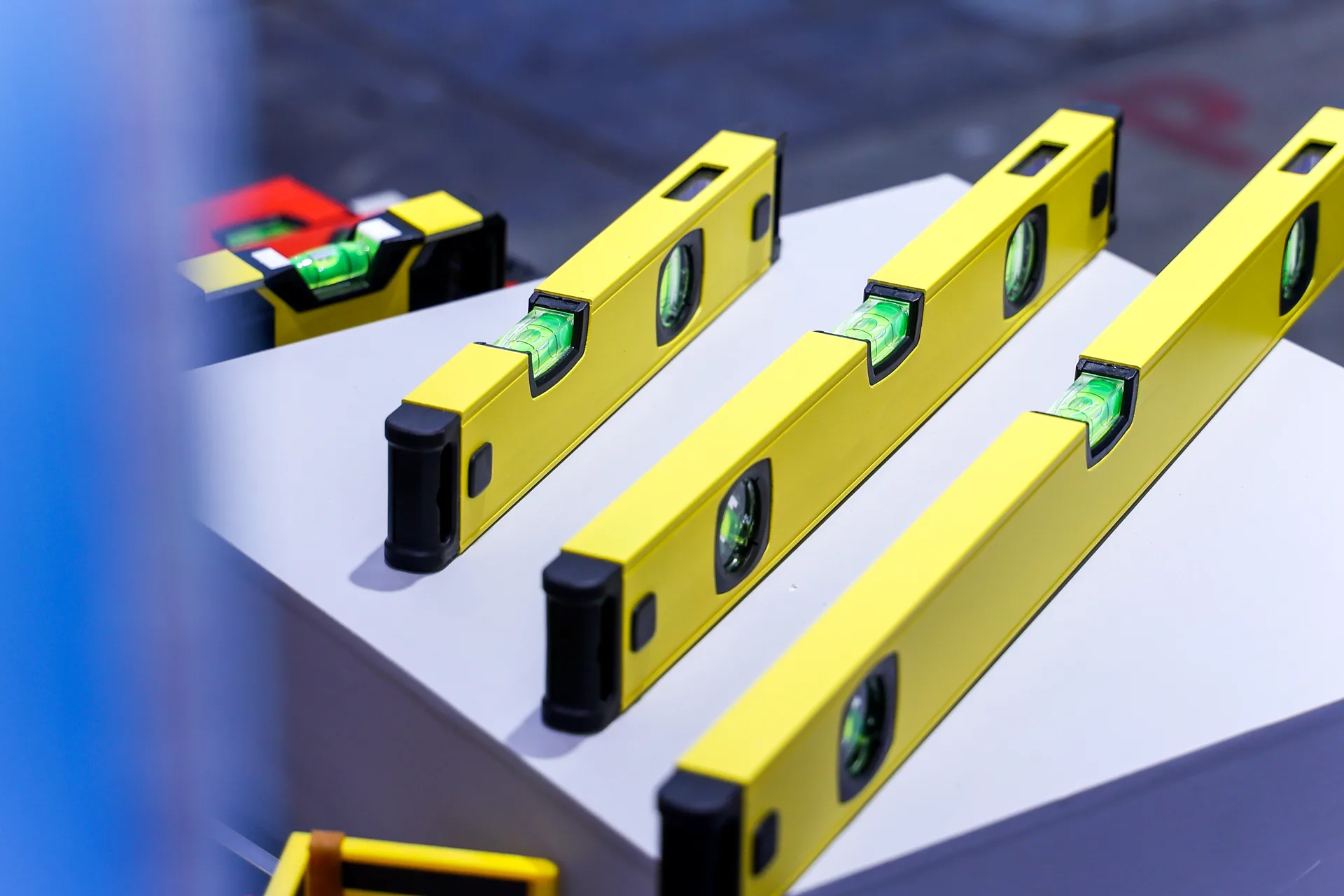
Duty Cycle and Runtime Requirements Shape the Professional Segment
Professional buyers do not only need more torque. They need the tool to repeat the same cycle without thermal shutdown, battery imbalance, or mechanical wear changing the result. A tool with a high peak torque and a short trigger interval can pass a bench test and still fail on a jobsite. That is why the rated duty cycle matters more than the headline number.
The right question is not “how powerful is it” but “under what continuous load does it still work properly.” Ask the supplier how it tested the tool: how long the trigger was held, how hot the housing and battery became, and what cooling or electronic protection was active. A factory that cannot describe its test condition has not given you a professional-grade claim you can verify.
Serviceability belongs in the same decision. A professional tool is expected to earn its cost over many jobs, so the availability of switches, controllers, battery terminals, and service documentation becomes part of the product. For the DIY segment, low part count and simple replacement often matter more than end-user repair.
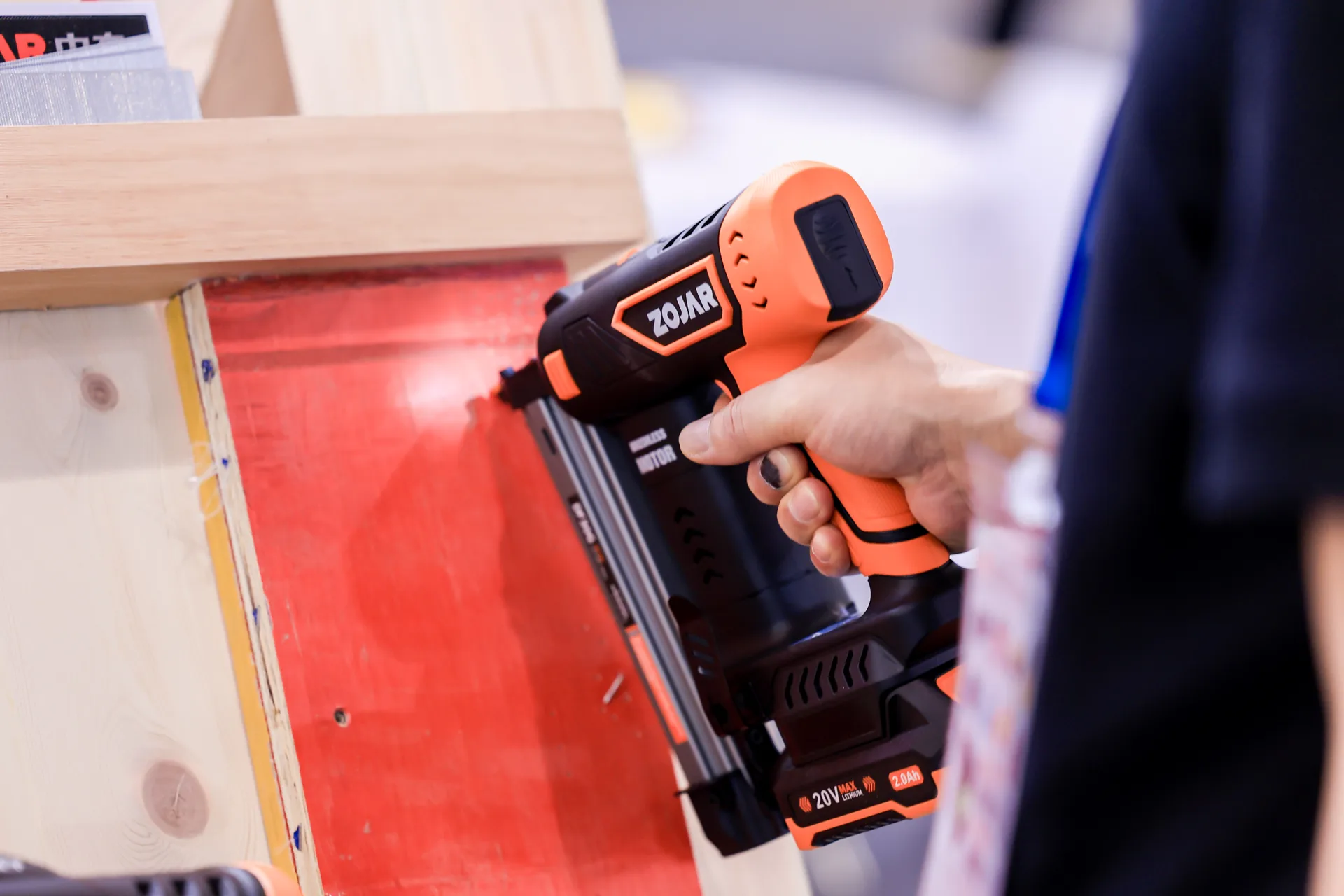
Battery Platforms and Service Parts Decide Long Term Fit
Battery choice is not only about voltage and amp-hours. It is about whether the battery platform supports a full range of tools the buyer will need later, and whether those batteries will remain available. A professional user running several tools benefits from one platform, one charger type, and predictable spare battery supply. A DIY user may tolerate a single-tool platform because the next purchase can be independent.
For sourcing, this means the tool and the battery should be tested as a system. Check the charge curve, high-temperature cutoff, cell balancing, and how the tool behaves when the battery is partially charged. A cheap battery that works at full charge but drops early under load will generate field returns even when the motor is good. Buyers should also confirm whether replacement batteries will be available beyond the initial order and whether the supplier controls the cell source.

What End User Preferences Reveal About Channel Fit
Segment preferences often show up in returns and support calls. A professional buyer returns a tool when service parts are unavailable or when a failed tool stalls a crew. A DIY buyer returns a tool when the instructions are unclear, the first charge feels slow, or the trigger behavior is unfamiliar. These are different quality systems.
For importers and retailers, that means the channel should match the product. A professional tool sold through a channel with no spare parts or technical support will disappoint even if the tool is reliable. A DIY tool loaded with service complexity can create unnecessary returns and support costs. The better sourcing decision is to separate the two product lines by testing protocol, packaging, manual quality, and after-sales responsibility, not just by color and price.
Sourcing Checks That Separate Category Claims from Production Reality
A meaningful comparison should end with checks you can run at the fair, in the factory, or on samples. For professional tools, verify the duty rating method, controller protection, motor heat management, battery cell source, spare parts list, and service documentation. For DIY tools, verify consistency, safety, simple operation, clear instructions, and stable packaging.
The strongest signal is not the booth graphic. Ask the supplier to show the test report behind the professional label, the cell manufacturer behind the battery, and the spare parts list behind the service promise. If those do not exist, treat the professional positioning as a pricing choice rather than an engineering difference. A factory can still be a good supplier, but the buyer should know which value it is actually selling.
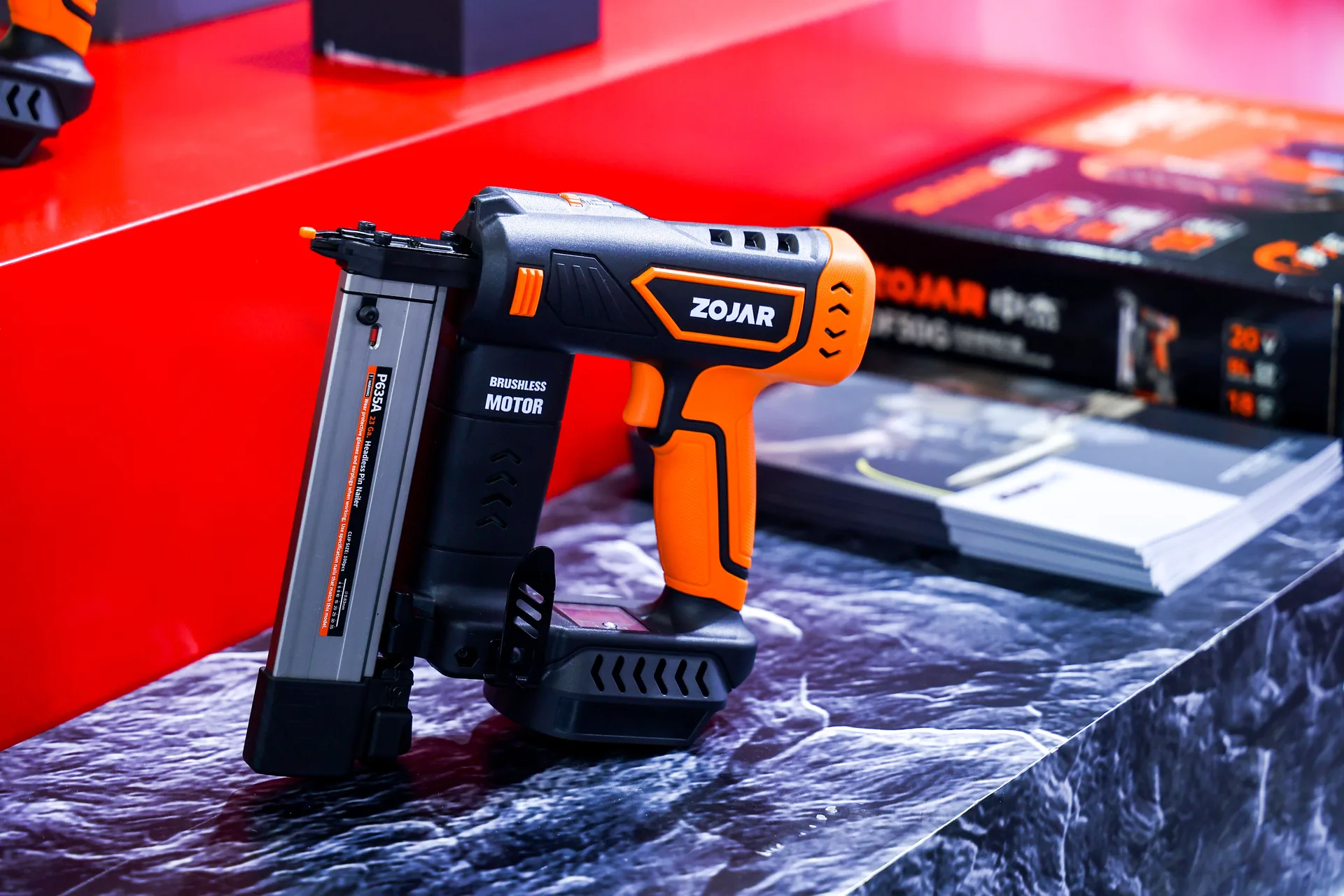
Plan Your Power Tool Sourcing Around the Buyer
If you are building a power tool range, start from the buyer segment and work back to the specification. Send us the three conditions that matter most to your customers: expected continuous run time per charge cycle, battery platform requirements, and service parts expectations. We can help you shortlist exhibits that can support those requirements rather than only match a label. Contact the CIHS Buyer Services Team at trista.ming@koelnmesse.cn or +86 21 6390 6161-832.
FAQ
Is a brushless motor enough to call a tool professional-grade?
No. A brushless motor improves efficiency and can enable longer life, but it needs a matching controller, thermal protection, adequate housing, and consistent battery cells. Ask the supplier for the test condition behind the professional-grade claim rather than accepting the motor type as proof.
Should professional and DIY tools come from the same factory?
They can, but the factory needs to demonstrate two different quality systems. A line that produces high-volume DIY tools may not have the service parts discipline or testing documentation that professional buyers expect. Ask for separate test standards and after-sales commitments.
What is the first specification to compare for professional tools?
Compare the continuous duty rating and thermal limit under a defined load, not peak torque alone. If the supplier cannot describe the load pattern and ambient temperature used for the rating, the specification is incomplete.
Why does battery platform matter more than peak power?
The battery determines how long the tool works, how consistently it performs, and whether future tools can share the same investment. Peak power matters only briefly if the battery drops early or replacement packs become difficult to source.
Contact us
-

Ms. Trista Ming
Tel.: +86 21 6390 6161 ext. 832
Trista.ming@koelnmesse.cnMr. Edward Gao
Tel: +86 10 6590 7766-765
Fax: +86 10 6590 6139
Edward.Gao@koelnmesse.cn